Luxury Madagascar Holidays 2026/2027
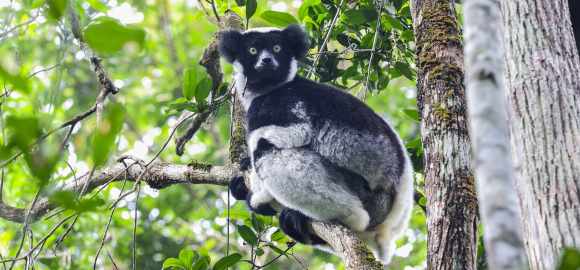
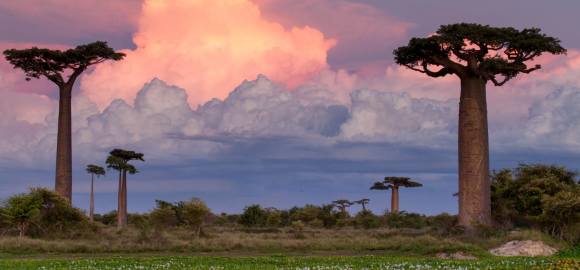
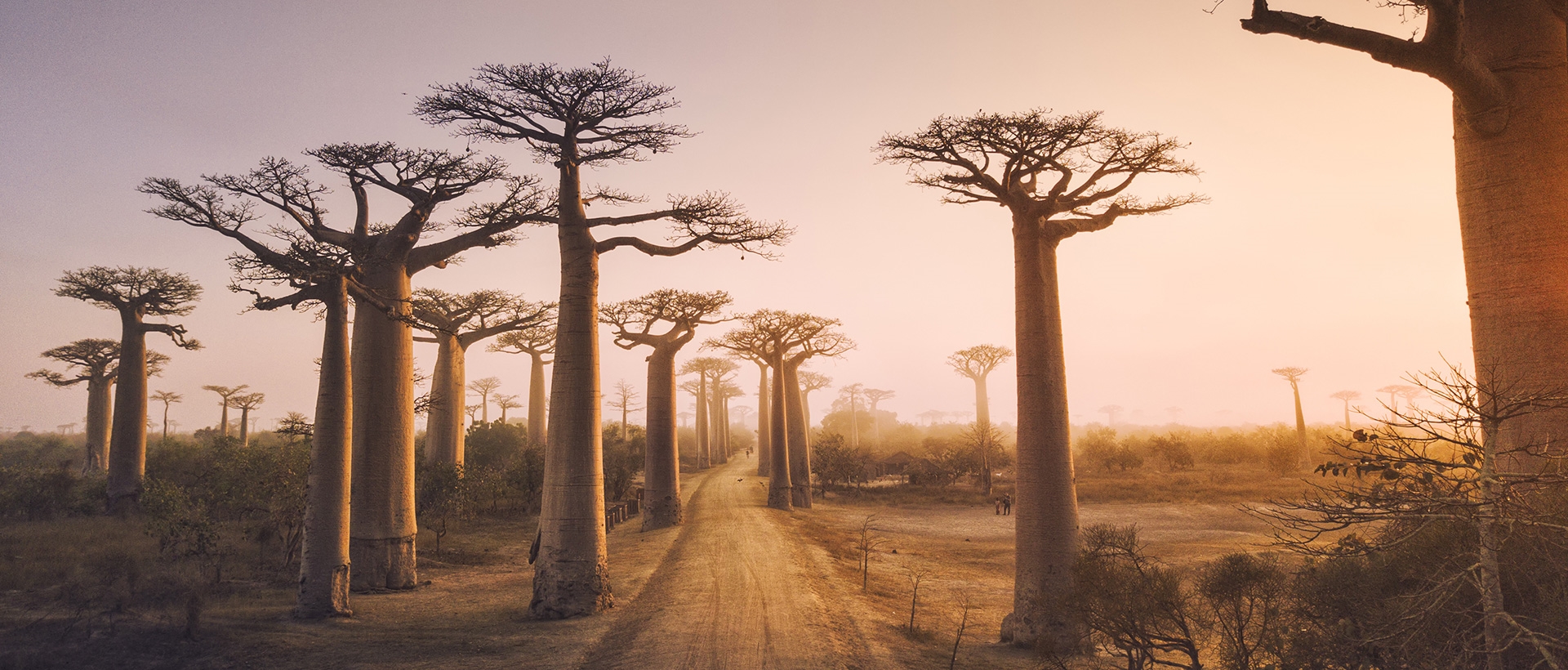
One of the world’s last undiscovered corners, Madagascar, with unique flora and fauna and hugely diverse terrain, is like nowhere else on earth. Situated in the Indian Ocean off the coast of southern Africa, Madagascar is the world's fourth-largest island and widely thought of as the ‘Eighth Continent’.
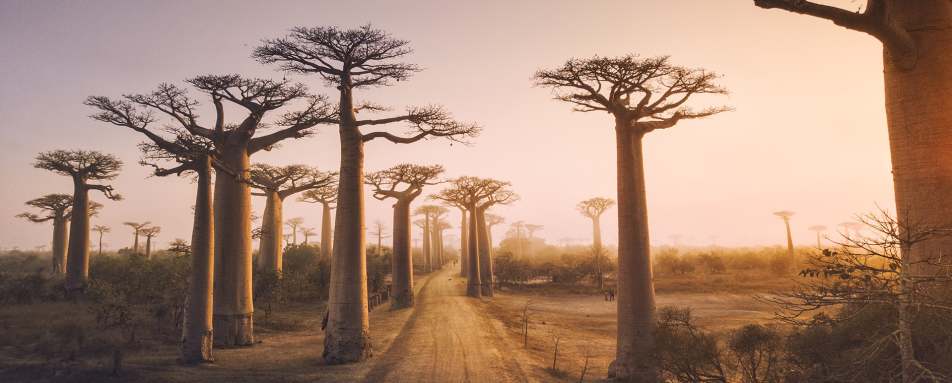
Having broken free of the African mainland around 165 million years ago, it is understandably culturally and geographically very different, having evolved independently with influences from as far afield as India and Malaysia. There are five main areas to visit for holidays in Madagascar; Northern Madagascar, Eastern Madagascar, South Madagascar, West Madagascar and the Capital of Antananarivo in the centre of the island.
Our Madagascar holiday specialists have designed a range of Madagascar tours that enable you to see the highlights based on your interests, Madagascar trip duration or your group. If you contact us then our team will be able to talk you through the best time to visit Madagascar and once they get to know your interests recommend great places to go in Madagascar, luxury Madagascar hotels to choose from and things to do there.
Example Tours of Madagascar
Discover the extraordinary with expertly crafted itineraries that reveal Madagascar's hidden gems and iconic highlights. Our handpicked experiences and seamless planning ensure effortless travel tailored to every type of explorer, delivering insights only locals know for travel that takes you further.
Top Hotels in Madagascar
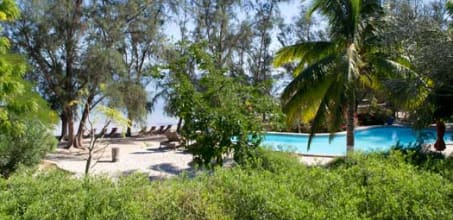
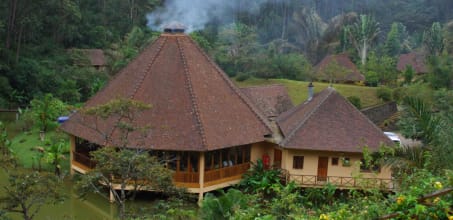
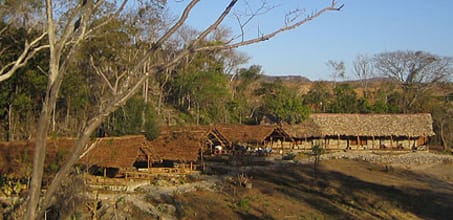
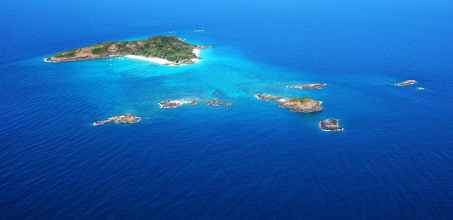
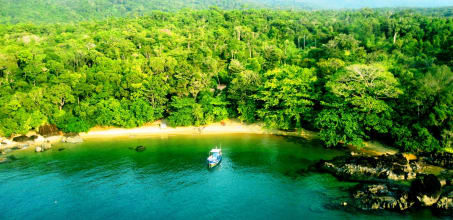
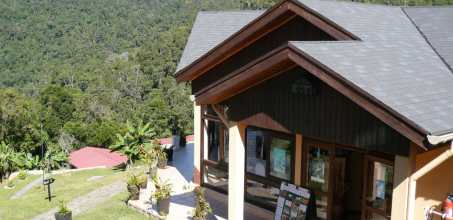
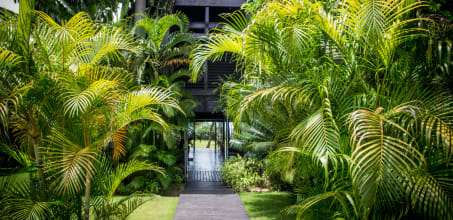
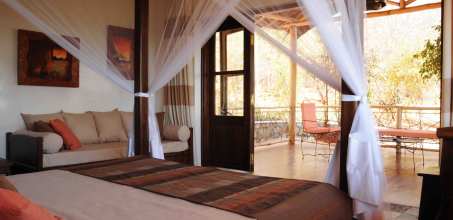
Our specialists have travelled every inch of Madagascar and stayed in countless hotels so that we can recommend only the very best ones to match your preferences. Whether you want to stay at the hottest property in the area or are looking for somewhere with rustic charm, our handpicked selection of hotels has every angle covered.



Our team of travel specialists are waiting to help you book your next adventure.


