Luxury Mozambique Holidays 2024/2025
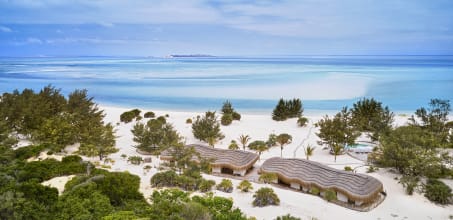
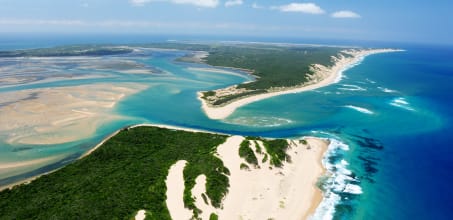
Mozambique stretches 2,500km along the east coast of Africa. With this vast sweep of largely unspoilt Indian Ocean coastline, a luxury Mozambique holiday has become a sought-after experience. Here the tropical islands of the southern Barazaruto Archipelago and the coral islands of the northern Quirimbas Archipelago offer white beaches and fabulous diving opportunities.

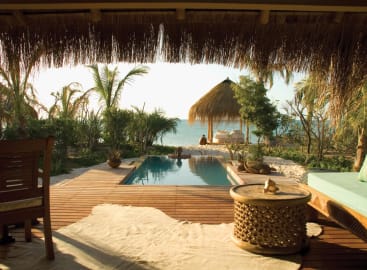
With an enviable Indian Ocean coastline and stunning, remote lodges, Mozambique has become the hot African beach destination. Characterised by laid-back African charm, Portuguese influence, white sandy beaches and low-key yet beautifully styled boutique resorts, this southern African paradise is perfect for a bit of barefoot luxury.
Five unspoilt and undeveloped tropical islands make up the Bazaruto Archipelago in the south, hemmed with idyllic beaches. The Quirimbas, on the other hand, lie to the north and are an archipelago of 32 coral islands with spectacular reefs and marine life. Its coastal location means that Mozambique also has fantastic seafood. In the centre of the country, Gorongosa National Park is undergoing a large scale rehabilitation project and is sure to regain it's place as one of the continents most celebrated wildlife reserves.
Scott Dunn’s highlights for Mozambique:
- Scuba dive in the waters surrounding the Quirimbas archipelago; the islands have superb diving sites, with drop-offs of up to 400 metres.
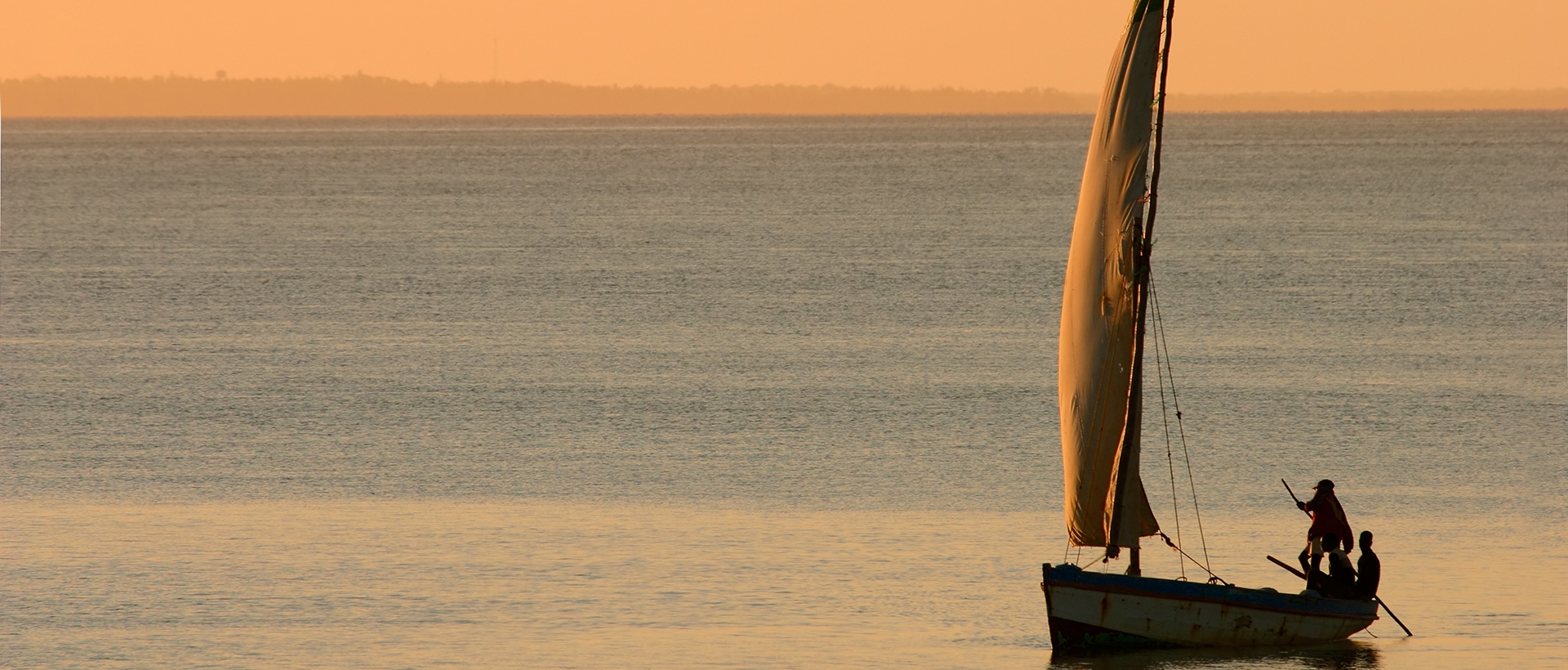
- Take a traditional dhow boat trip between the islands of the Bazaruto Archipelago for a romantic, peaceful sunset view.
Top Tours in Mozambique
We’ve travelled the length and breadth of Mozambique and tested every possible route to enable us to curate itineraries that work absolutely seamlessly, taking in the country’s many highlights at just the right pace. Packed with unique experiences and handpicked hotels, our trips deliver unforgettable travel moments.
Top Hotels in Mozambique
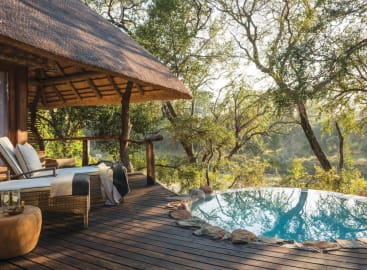
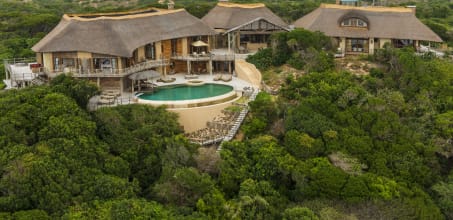
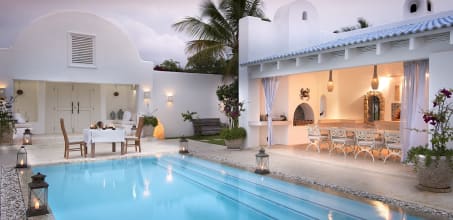
Our specialists have travelled every inch of Mozambique and stayed in countless hotels so that we can recommend only the very best ones to match your preferences. Whether you want to stay at the hottest property in the area or are looking for somewhere with rustic charm, our handpicked selection of hotels has every angle covered.


Our team of travel specialists are waiting to help you book your next adventure.