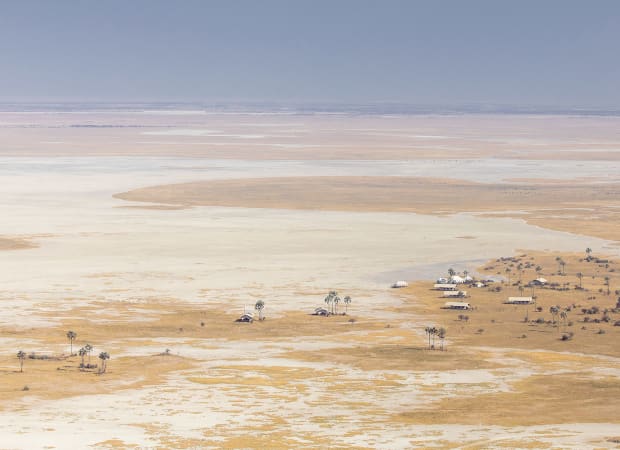
A visit to San Camp is all about the isolation. Turn 360 degrees and nothing will cross your eyeline but the huge bowl of the sky. Views stretch for miles and you can practically see the curvature of the earth from here.
Set on the edge of the Makgadikgadi Salt Pans, the camp is a collection of 1940s safari tents, with four-poster beds, cambric sheets, paraffin lamps and butlers. It's beautifully eco-friendly, being run entirely by solar power and leaving barely a sign of its existence. In keeping with the remote environment, there is no internet access nor electricity however there are central charging facilities in the main area. Paraffin lamps are lit around camp at night adding to the romantic atmosphere.
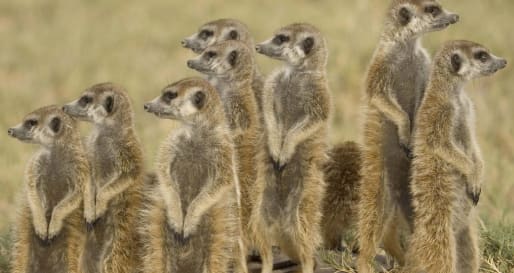
Open over the dry months, from April to October, San Camp offers a totally unique chance to explore the Kalahari. Here the wildlife viewing consists of rare species such as the elusive brown hyena as well as aardvark, meerkats, gemsbok and springbok.
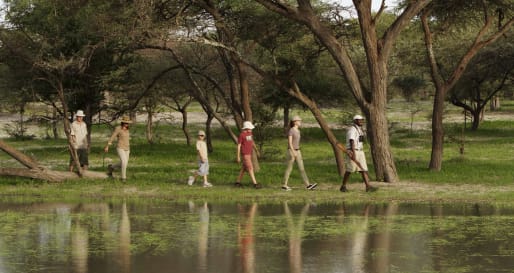
Game walks and drives take place every day with qualified zoologists and biologists to show you the unique desert flora and fauna. Guests can explore the inner pans on specially adapted vehicles and learn about their ancient history, both geological and human.
A relic of one of the world’s largest super-lakes, the Makgadikgadi dried up thousands of years ago as a result of the continued shifting of the earth’s crust. It's possible to explore the pans by 4WD quad bike.
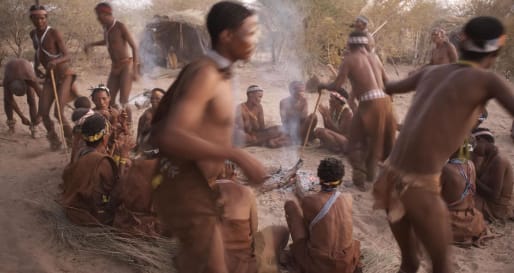
You should also not miss the opportunity to join a Bushmen safari and learn about their fascinating way of life at first hand.