Hotels in Botswana
Our Botswana travel experts have curated the best accommodation for our guests, based on their facilities, guest experience and location. The best hotels in Botswana come in the form of exclusive luxury lodges and camps in the best game reserves and concessions in Botswana.

We have narrowed down Botswana’s best luxury 5 star lodges and camps in the Okavango Delta, the Kalahari Desert, Linyanti Reserve and Chobe National Park for you below. Do not worry, when it comes to camping in Botswana you will not be disappointed. Yes, you will be sleeping in a tent, however these luxury safari camps only accommodate small groups, so you often have exclusive use of the camp, and every tent has an ensuite. The biggest advantage of staying in a luxury Botswana camp is the sublime locations that they are in. Leave your preconceptions at the airport and give camping in Botswana (Scott Dunn style) a go! All our Botswana itineraries include our luxury game lodges and camps so you can enjoy restful nights as you explore Botswana in style. Contact us and a member of our Botswana team will get in touch to discuss your perfect trip to Botswana. They can recommend top things to do in Botswana based on your interests and start planning your tailor made holiday.
Filter:
Area
Type
Grade
1 - 10 of 51 Hotels
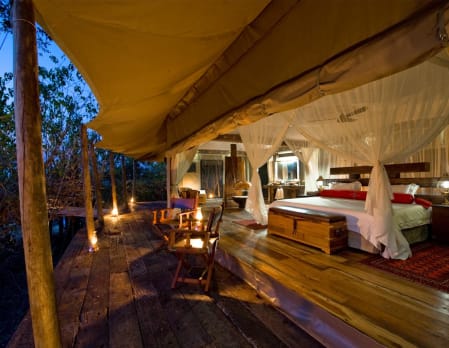
Zarafa Camp
Selinda Concession, Linyanti, Botswana
Situated in The Selinda, a 1,350km private reserve that straddles the Selinda Spillway, Zarafa Camp (which was Zibalianja) offers just four vast and airy luxury tented rooms all set on polished, raised wooden decks with en-suite, open air bathrooms.
Eco/ethical tourism Wildlife Adventure

4 Rivers
Kwara Concession, Okavango Delta and Moremi, Botswana
4 Rivers is a brand new camp from Kwando opening in June 2023. Overlooking a permanent lagoon in Botswana's Okavango Delta and scattered under the shade of ancient trees, guests can relish in the joy of a truly wild safari on this huge private concession.
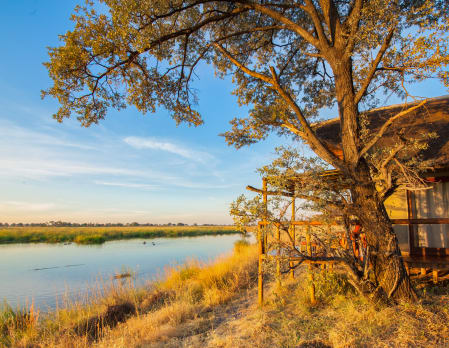
Kwando Lagoon Camp
Linyanti, Botswana
Kwando Lagoon Camp is a eight-room camp, lying on the shady banks of the Kwando River and set among tall and ancient African ebony and marula trees, overlooking the Kwando River with its resident pods of hippo, perfect for exploring by boat.
Adventure Wildlife Fishing
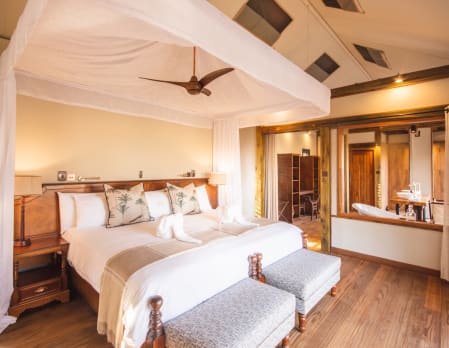
Kwara
Kwara Concession, Okavango Delta and Moremi, Botswana
Kwara is located in the remote northern part of the Okavango Delta within the private Kwara Concession. The nine canvas tents are built on raised decks in a grove of huge and ancient African ebony trees.
Adventure Off the beaten track Wildlife
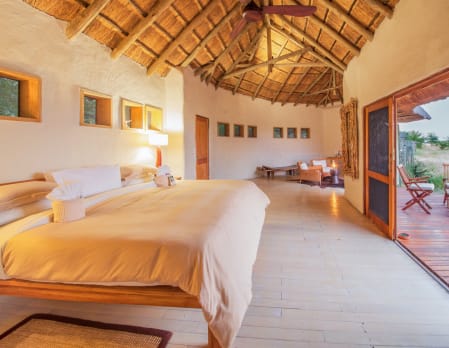
Nxai Pan Camp
Nxai Pans, Makgadikgadi and the Kalahari, Botswana
Nxai Pan is situated on a fascinating fossil pan of the same name, overlooking beautiful grasslands so typical of this area. The game viewing is excellent, and the camp offers a true contrast to the Okavango Delta and other areas of Botswana.
Couples Adventure Wildlife
Duba Plains
Duba Concession, Okavango Delta and Moremi, Botswana
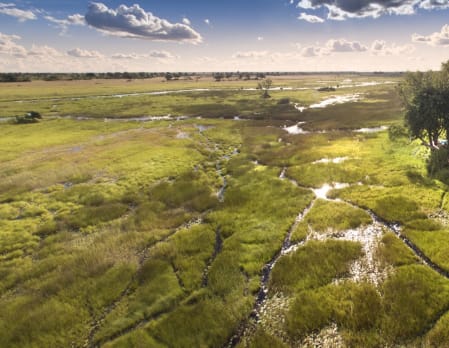
Situated on an island in the furthest reaches of the Okavango Delta, Duba Plains is one of the most remote luxury tented camps in the region. With only six bespoke tents, the camp prides itself on intimacy as well as remarkable game viewing.
Wildlife Adventure Off the beaten track
Sitatunga Private Island
Okavango Delta and Moremi, Botswana
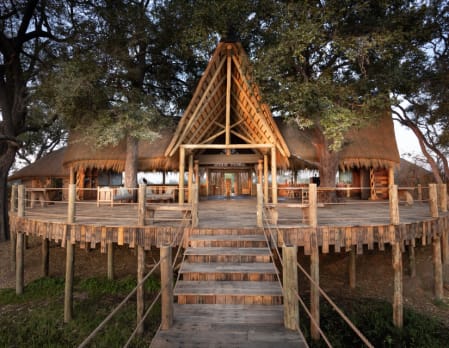
Soak up the endless tranquillity at this exclusive camp on a private island in the enchanting waterways of the Okavango Delta. With just three tented suites, one offering the ultimate in quiet seclusion, this is an idyllic spot to relish a ‘wet’ safari.
Adventure Wildlife

&Beyond Nxabega Okavango Safari Camp
Nxabega Concession, Okavango Delta and Moremi, Botswana
Nxabega Okavango Safari Camp is situated under dense strands of African ebony trees in an exclusive wildlife concession. With only ten elevated tented suites, Nxabega offers some of the best flood plain views in the Delta.
Adventure Off the beaten track Wildlife Eco/ethical tourism
&Beyond Sandibe Okavango Safari Lodge
Chitabe Concession, Okavango Delta and Moremi, Botswana
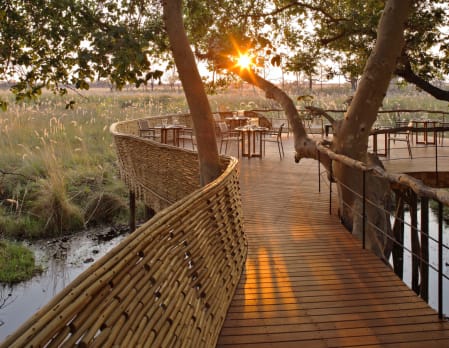
Sandibe Okavango Safari Lodge is a beautiful thatched lodge nestled between permanent water and grassy plains. It was built with a commitment to 'treading lightly on the earth'. Accommodation is in twelve en-suite suites raised up on stilts.
Adventure Off the beaten track Wildlife Eco/ethical tourism
Jack’s Camp
Makgadikgadi Pans, Makgadikgadi and the Kalahari, Botswana
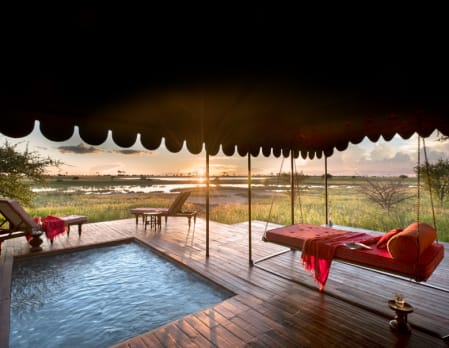
Jack's Camp was set up by the legendary African character Jack Bousfield, who was one of the great explorers and adventurers of the continent. There are just ten tents and this intimate camp is one of only two permanent camps in the Makgadikgadi.
Wildlife Adventure Culture Eco/ethical tourism
51 Hotels
-
Sable Alley Khwai Private Reserve, Okavango Delta and Moremi, Botswana
-
Mashatu Euphorbia Northern Tuli Game Reserve, Botswana
-
Qorokwe Camp Qorokwe Concession, Okavango Delta and Moremi, Botswana
-
Gomoti Plains Camp Chitabe Concession, Okavango Delta and Moremi, Botswana
-
Macatoo Camp Okavango Delta, Botswana
-
Footsteps Across the Delta Shinde Concession, Okavango Delta and Moremi, Botswana
-
Shinde Shinde Concession, Okavango Delta and Moremi, Botswana
-
Selinda Explorers Camp Selinda Concession, Linyanti, Botswana
-
Bushman Plains Camp Okavango Delta and Moremi, Botswana
-
Nxai Pan Camp Nxai Pans, Makgadikgadi and the Kalahari, Botswana
-
&Beyond Sandibe Okavango Safari Lodge Chitabe Concession, Okavango Delta and Moremi, Botswana
-
Uncharted Africa Riding Safari Makgadikgadi Pans, Makgadikgadi and the Kalahari, Botswana
-
Jack’s Camp Makgadikgadi Pans, Makgadikgadi and the Kalahari, Botswana
-
&Beyond Savute Under Canvas Savute, Linyanti, Botswana
-
Belmond Savute Elephant Lodge Chobe National Park, Botswana
-
Letaka Safaris Okavango Delta, Botswana
-
4 Rivers Kwara Concession, Okavango Delta and Moremi, Botswana
-
Sitatunga Private Island Okavango Delta and Moremi, Botswana
-
Tuludi Khwai Private Reserve, Okavango Delta, Botswana
-
Camp Kalahari Makgadikgadi Pans, Makgadikgadi and the Kalahari, Botswana
-
&Beyond Nxabega Okavango Safari Camp Nxabega Concession, Okavango Delta and Moremi, Botswana
-
Machaba Camp Khwai Private Reserve, Okavango Delta and Moremi, Botswana
-
Zarafa Camp Selinda Concession, Linyanti, Botswana
-
&Beyond Xaranna Okavango Delta Camp Xudum Concession, Okavango Delta and Moremi, Botswana
-
Meno A Kwena Boteti River, Makgadikgadi and the Kalahari, Botswana
-
Xigera Safari Lodge Xigera Concession, Okavango Delta and Moremi, Botswana
-
Okuti Moremi Game Reserve, Okavango Delta and Moremi, Botswana
-
Rra Dinare Moremi Game Reserve, Okavango Delta and Moremi, Botswana
-
Letaka Mobile Camp - Mababe Mababe Private Reserve, Okavango Delta and Moremi, Botswana
-
Letaka Mobile Camp - Chobe National Park Chobe National Park, Botswana
-
Chobe Bakwena Lodge Chobe National Park, Botswana
-
San Camp Makgadikgadi Pans, Makgadikgadi and the Kalahari, Botswana
-
Little Mombo Chief's Island, Okavango Delta and Moremi, Botswana
-
Sky Beds Khwai Private Reserve, Okavango Delta and Moremi, Botswana
-
Selinda Camp Selinda Concession, Linyanti, Botswana
-
Mashatu Lodge Northern Tuli Game Reserve, Botswana
-
Kwara Kwara Concession, Okavango Delta and Moremi, Botswana
-
Kwando Lagoon Camp Linyanti, Botswana
-
Duba Plains Duba Concession, Okavango Delta and Moremi, Botswana
-
Kwando Lebala Camp Linyanti, Botswana
-
Mombo Camp Chief's Island, Okavango Delta and Moremi, Botswana
-
Tubu Tree Camp Jao Concession, Okavango Delta and Moremi, Botswana
-
Linyanti Bush Camp Linyanti, Botswana
-
Pom Pom Camp Okavango Delta and Moremi, Botswana
-
Shinde Footsteps Shinde Concession, Okavango Delta and Moremi, Botswana
-
Duba Explorers Duba Concession, Okavango Delta, Botswana
-
Kanana Camp Nxabega Concession, Okavango Delta and Moremi, Botswana
-
Splash Camp Kwara Concession, Okavango Delta, Botswana
-
Mapula Lodge Okavango Delta, Botswana
-
Dinaka The Kalahari, Botswana
-
&Beyond Chobe Under Canvas Chobe National Park, Botswana
-
Letaka Mobile Camp - Moremi Moremi Game Reserve, Okavango Delta and Moremi, Botswana
Plan your Botswana trip today
Plan your trip
Our team of travel specialists are waiting to help you book your next adventure.
You are on our UK website
We noticed that you are in US and recommend that you explore our US website instead.
Or continue to explore our UK website